




Back pain is one of the most common health complaints, affecting millions of people at some point in their lives. If you are experiencing persistent or severe back discomfort, consulting a Denver back specialist can be a crucial step toward relief and recovery. Understanding what to expect during your visit can help ease any anxiety and prepare you for the process ahead.
Initial Consultation And Medical History
Your visit will typically begin with a comprehensive consultation. The back specialist will ask detailed questions about your symptoms, including the location, duration, intensity, and triggers of your pain. They will also inquire about your medical history, any previous injuries, surgeries, or treatments you have undergone, and your lifestyle habits. This information helps the specialist gain a clearer picture of your condition and identify potential causes of your back pain.
Providing accurate and complete information during this stage is essential, as it guides the diagnosis and treatment plan. Be prepared to discuss how your back pain affects your daily activities, sleep, work, and overall quality of life.
Physical Examination
Following the consultation, the specialist will perform a physical examination to assess your back’s function and pinpoint areas of concern. This examination may involve evaluating your posture, range of motion, muscle strength, reflexes, and sensation. The specialist might also observe your gait or the way you move to identify any abnormalities.
The physical exam allows the specialist to detect signs of nerve involvement, muscle spasms, or structural issues. It’s a hands-on approach to complement the information gathered during the medical history review and helps to narrow down possible diagnoses.
Diagnostic Testing
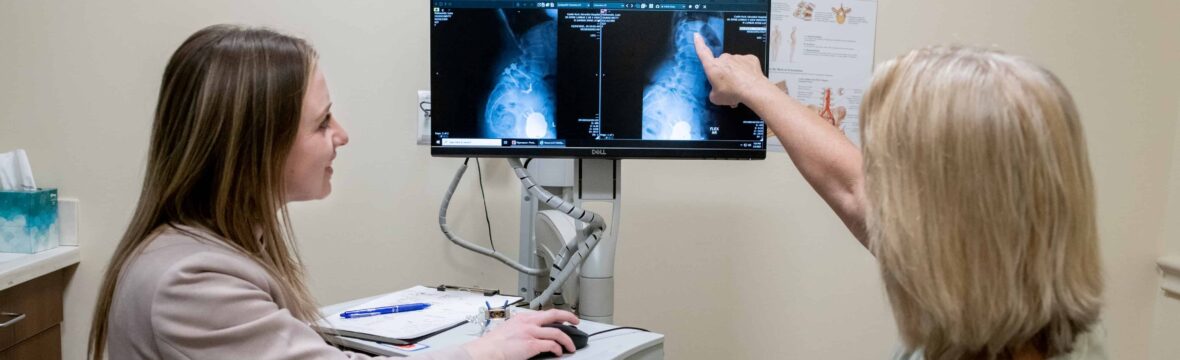
Depending on the findings from your consultation and physical exam, the back specialist may recommend diagnostic tests to gain further insights into the underlying cause of your pain. Common diagnostic tools include X-rays, MRI (Magnetic Resonance Imaging), CT scans, or electromyography (EMG).
These tests allow the specialist to diagnose herniated discs, spinal stenosis, fractures, and nerve compression by visualizing bones, discs, muscles, nerves, and other soft tissues. While not every patient requires extensive imaging, these tests can be vital for complex cases or when surgery might be considered.
Discussing Diagnosis And Treatment Options
Once the specialist has gathered sufficient information, they will discuss your diagnosis with you. This conversation is often a critical part of the visit because it sets the stage for your treatment journey. A clear understanding of your condition, including the cause and severity, empowers you to make informed decisions about your care.
The specialist will outline the recommended treatment options tailored to your specific situation. Physical therapy, pain management, and lifestyle changes might be combined with injections or surgery. Each alternative will be explained, including the pros, cons, and projected outcomes.
You should ask questions and voice concerns during this discussion. Good specialists take time to explain their diagnosis and suggestions.
Developing A Personalized Treatment Plan
Your back specialist will create a customized treatment plan to ease pain, enhance function, and avoid future issues. This plan may include a combination of therapies such as targeted exercises, manual therapy, medication, or referrals to other healthcare providers like physical therapists or pain management experts.
The specialist may also provide advice on ergonomics, posture correction, weight management, or activity modifications to support your recovery and long-term spinal health. They might set realistic goals and timelines for your progress, encouraging you to be actively involved in your care.
Follow-Up And Ongoing Care
Back pain often requires ongoing management rather than a one-time fix. Follow-up appointments will monitor your progress and adapt the treatment plan after your initial visit. The frequency of these visits depends on the severity of your condition and how you respond to treatment.
During follow-ups, the specialist will assess your pain levels, mobility, and overall improvement. If conservative treatments are not effective, they might consider further diagnostic tests or alternative interventions. Regular communication with your specialist helps ensure that your care remains on track and adapts to any changes in your condition.
What To Bring And Prepare Before Your Visit
To make the most of your appointment with a back specialist in Denver, come prepared. Bring a list of your medications, back pain medical records, and notes about your symptoms or inquiries. Comfortable, easy-to-move apparel might also help during the physical assessment.
Being prepared will help the specialist gather necessary information quickly and efficiently, leading to a more productive visit.
Choosing The Right Back Specialist In Denver
Finding the right back specialist can significantly impact your treatment experience and outcomes. Look for a specialist with credentials, experience, and positive patient reviews. Many back specialists in Denver are board-certified and have specialized training in spine care, pain management, or orthopedic surgery.
If you have a complex case or chronic condition, seeking a specialist affiliated with a reputable medical center or spine institute can provide access to multidisciplinary care and advanced treatment options.
Conclusion
Visiting a back specialist in Denver is a proactive step toward managing your back pain effectively. Knowing what to expect—from the initial consultation through diagnosis, treatment planning, and follow-up—can help you approach your appointment with confidence and clarity. Seek professional help if back discomfort is affecting your life. Early management frequently improves outcomes.