
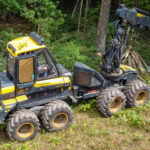




Construction, mining, forestry, and agricultural heavy equipment are the backbone of these businesses. These powerful machines handle tough jobs that are beyond the capability of standard vehicles. However, to ensure they operate efficiently and have a long service life, regular maintenance is crucial. Leading heavy equipment dealers offer invaluable insights into maintaining these machines. Here, we compile expert maintenance tips from top dealers to help you keep your heavy equipment in peak condition.
Regular Inspections
Consistent and thorough inspections are the cornerstone of effective maintenance. Dealers emphasize the importance of daily walk-around checks to identify potential issues before they become major problems. Check for broken or missing pieces, leaks, and general wear and tear. Pay close attention to tires, tracks, hydraulic hoses, and electrical components. Regular inspections can prevent unexpected breakdowns and extend the life of your equipment. A leading heavy equipment dealer provides expert maintenance tips to ensure the longevity and optimal performance of your machinery.
Follow The Manufacturer’s Maintenance Schedule
There is a manufacturer-issued maintenance schedule for every piece of heavy machinery that details when to execute certain repairs. Adhering to this schedule is critical. It is designed based on extensive testing and real-world usage data to ensure optimal performance and longevity of the equipment. Skipping scheduled maintenance can lead to accelerated wear and costly repairs down the line.
Keep It Clean
Heavy machinery is vulnerable to serious harm from dirt and debris if not cleaned often. Mud, dust, and other contaminants can clog filters, damage seals, and interfere with moving parts. Dealers recommend cleaning your equipment after each use, paying special attention to the undercarriage, engine bay, and hydraulic components. Pressure washing and using compressed air can effectively remove dirt and debris.
Proper Lubrication
Lubrication has a crucial role in minimizing wear and friction caused by moving components. Use the right type of lubricant specified by the manufacturer and apply it as recommended. Component failure and overheating can result from excessive lubrication, which is equally dangerous as inadequate lubrication. Regularly check the lubrication points and keep a record of when and where lubricants are applied.
Monitor Fluid Levels
Fluids are the lifeblood of heavy equipment. Maintain the recommended levels of transmission fluid, hydraulic fluid, coolant, and engine oil on a regular basis. Low or dirty fluids can lead to overheating, poor performance, and engine damage. Dealers suggest changing fluids at intervals recommended by the manufacturer and using high-quality fluids to ensure optimal performance.
Replace Filters Regularly
The engine and hydraulic systems rely on filters to keep pollutants out. Filters might become ineffective due to buildup of debris over time. Replace air, oil, fuel, and hydraulic filters at the intervals specified by the manufacturer. Regular filter changes help maintain clean fluids and prevent damage to critical components.
Check And Maintain Tires And Tracks
Tires and tracks are essential for the mobility and stability of heavy equipment. Make sure you check them for damage, wear, and adequate inflation on a regular basis. Uneven wear patterns can indicate alignment issues or improper usage. Keeping tires and tracks in good condition ensures better traction, fuel efficiency, and safety.
battery Maintenance
A well-maintained battery ensures that your equipment starts reliably and operates efficiently. Keep an eye out for corrosion and clean the battery terminals on a regular basis. To make sure the battery is securely fastened, double-check that all of the connections are snug. Keep the battery charged by disconnecting it or using a trickle charger while you’re not using it.
Monitor Warning Lights And Alarms
Modern heavy equipment is equipped with sophisticated monitoring systems that provide real-time alerts about potential issues. Pay attention to warning lights and alarms and address them promptly. Serious damage and expensive repairs may result from disregarding these warnings. To properly diagnose and repair faults, use the diagnostic tools that the manufacturer recommends.
Keep A Detailed Maintenance Log
Keeping a detailed maintenance log helps track the history of maintenance and repairs. Record all inspections, repairs, fluid changes, and parts replacements. This log provides valuable information for identifying recurring issues, planning future maintenance, and ensuring compliance with warranty requirements.
Train Operators Properly
Well-trained operators are crucial for the proper use and maintenance of heavy equipment. Provide comprehensive training on operating procedures, safety protocols, and basic maintenance tasks. Operators who are familiar with the equipment’s specifications are better able to avoid harm and identify problems before they escalate.
Use Genuine Parts
When replacing parts, always use genuine parts from the manufacturer. While aftermarket parts may be cheaper, they often lack the quality and precision of original parts. Genuine parts ensure compatibility and longevity, helping maintain the integrity of your equipment.
Conclusion
Heavy machinery relies on regular maintenance to keep running smoothly and reliably for a long time. By following these expert tips from leading dealers, you can minimize downtime, reduce repair costs, and get the most out of your investment. A machine is more than simply a tool; it is an asset both now and in the future if it is well-maintained. Regular care and attention to detail will keep your heavy equipment running smoothly and efficiently for years to come.