



Forestry operations place machinery in working conditions that are very different from those found on typical construction or industrial sites. Machines may need to move through uneven ground, handle heavy timber, operate around dense vegetation, and remain productive through changing weather conditions. While general heavy machinery is built for demanding work, forestry equipment is designed around the specific challenges created by timber harvesting and forest management.
Understanding these differences can help contractors and forestry businesses select machinery that provides dependable performance rather than simply choosing equipment based on horsepower or size.
Purpose-Built Design For Forest Environments
One of the clearest differences is how the machinery is designed. General heavy equipment is often developed for construction, excavation, grading, material handling, or earthmoving. Forestry machines are engineered with forest conditions in mind from the beginning.
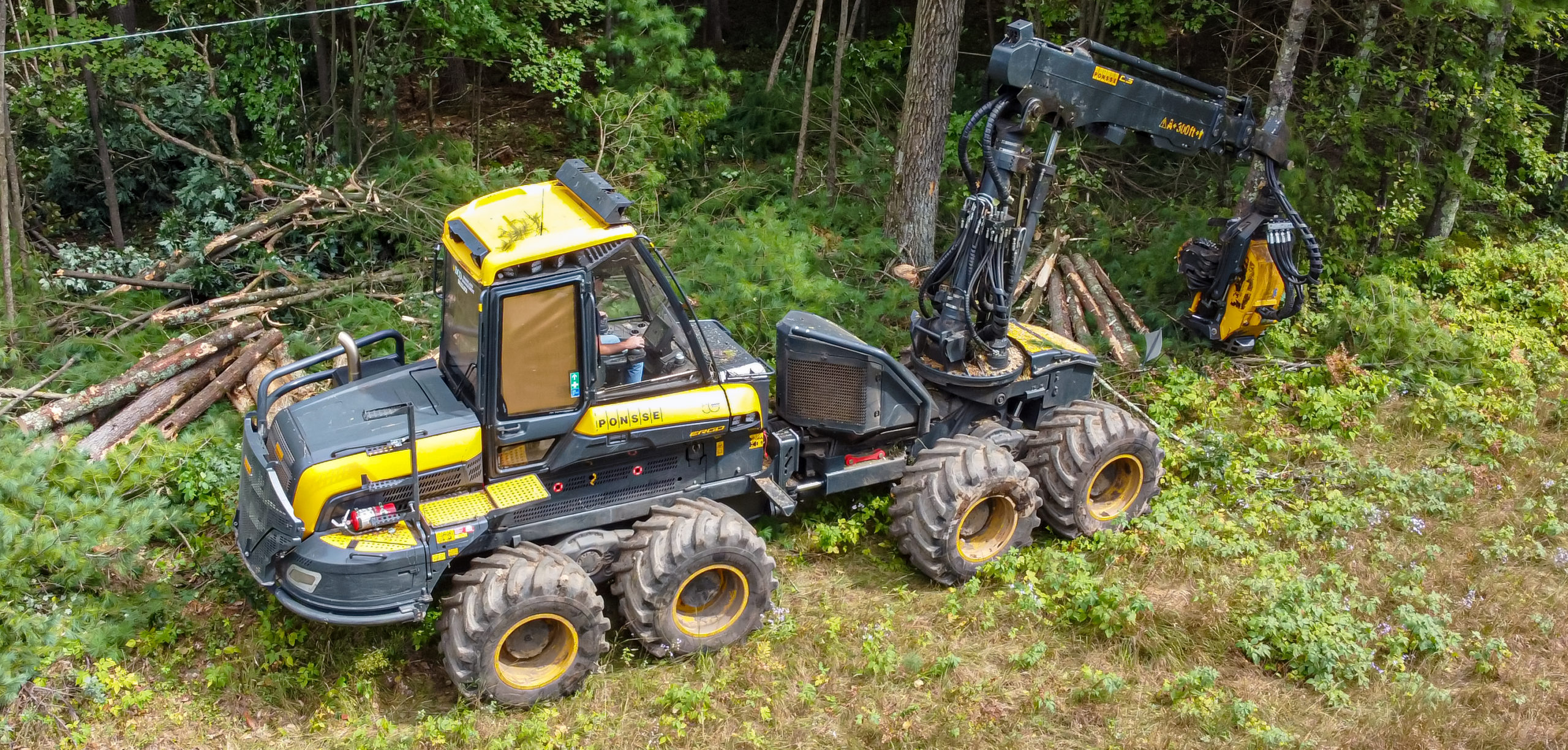
Branches, stumps, loose soil, rocks, mud, and uneven terrain can all affect equipment performance. High-performance forestry machinery may incorporate specialized guarding, reinforced components, protective structures, and undercarriage configurations that help the machine operate effectively in these environments.
This purpose-built approach can also reduce unnecessary stress on components when machines repeatedly encounter obstacles throughout the working day.
Better Control When Handling Timber
Logs create handling challenges that ordinary construction materials do not. Their weight distribution, length, shape, and movement can make them difficult to control. Forestry equipment therefore needs hydraulic systems and attachments capable of performing precise movements while managing substantial loads.
Operators may need to grab, lift, reposition, process, or stack timber repeatedly. Smooth hydraulic response can make these tasks more controlled and efficient. Rather than simply delivering maximum power, a high-performance forestry machine should allow that power to be applied accurately.
Businesses researching Torgersons forestry equipment may therefore consider how machine configurations, attachments, and operating capabilities align with the actual timber handling tasks performed on their job sites.
Stability Across Difficult Terrain
A construction machine may spend much of its working life on prepared surfaces or relatively predictable ground. Forestry machinery rarely has that advantage. Forest floors can change dramatically within a small area.
A machine might move from firm ground to soft soil before encountering slopes, roots, rocks, or logging debris. Equipment designed specifically for forestry work often places greater emphasis on traction, balance, ground clearance, and stability.
These characteristics are especially important because operators may be handling heavy material while positioned on challenging terrain. Stable machinery helps operators maintain better control and complete tasks with greater consistency.
Protection For Machines And Operators
Forestry equipment also requires protection from hazards that are less common in conventional heavy machinery applications. Falling branches, moving logs, sharp debris, and vegetation can expose both the machine and operator to additional risks.
Protective guarding around vulnerable components can help limit damage from debris. Operator areas may also be designed to provide improved protection while maintaining visibility of the surrounding work zone.
Visibility is particularly important in forestry because operators often work close to trees, equipment, timber piles, and other workers. A well-designed cab can help operators monitor attachments and surrounding conditions without unnecessary movement.
Cooling Systems Built For Debris-Heavy Conditions
Heat management is another important distinction. Forestry machinery can operate for extended periods while surrounded by dust, wood particles, leaves, and other organic material. This debris may interfere with cooling performance if equipment is not designed for the environment.
Effective cooling systems help machinery maintain appropriate operating temperatures during demanding workloads. Easy access for cleaning and routine inspection is also valuable because forestry crews often need to remove accumulated debris regularly.
Attachments That Expand Machine Capability
Forestry work involves far more than moving material from one location to another. Depending on the operation, machines may be required for cutting, processing, loading, forwarding, clearing, or handling timber.
Specialized attachments allow equipment to perform these tasks more efficiently. The relationship between the carrier machine, hydraulic system, and attachment is important because poorly matched components can limit productivity.
High-performance equipment is therefore defined not only by the machine itself but also by how effectively it supports the tools required for a particular forestry application.
Durability That Supports Long Working Days
Forestry operations can place continuous stress on machinery. Repeated lifting, travel over rough terrain, vibration, debris exposure, and changing loads can gradually affect components.
Equipment intended for professional forestry work is generally expected to withstand these demanding cycles while remaining serviceable. Convenient maintenance access is equally important. When filters, service points, and major components can be inspected efficiently, crews can spend less time performing routine maintenance and more time keeping operations productive.